Negative Pull-Up: Form, Muscles and Progressions
Negative Pull-up is a beginner pull exercise for vertical pulling strength through the back, arms, and shoulder girdle. The source muscle map identifies Latissimus Dorsi, Trapezius as the primary targets. Start above the bar and make the lowering phase the exercise; use a step so the setup does not consume the strength you are training.
Video demonstration
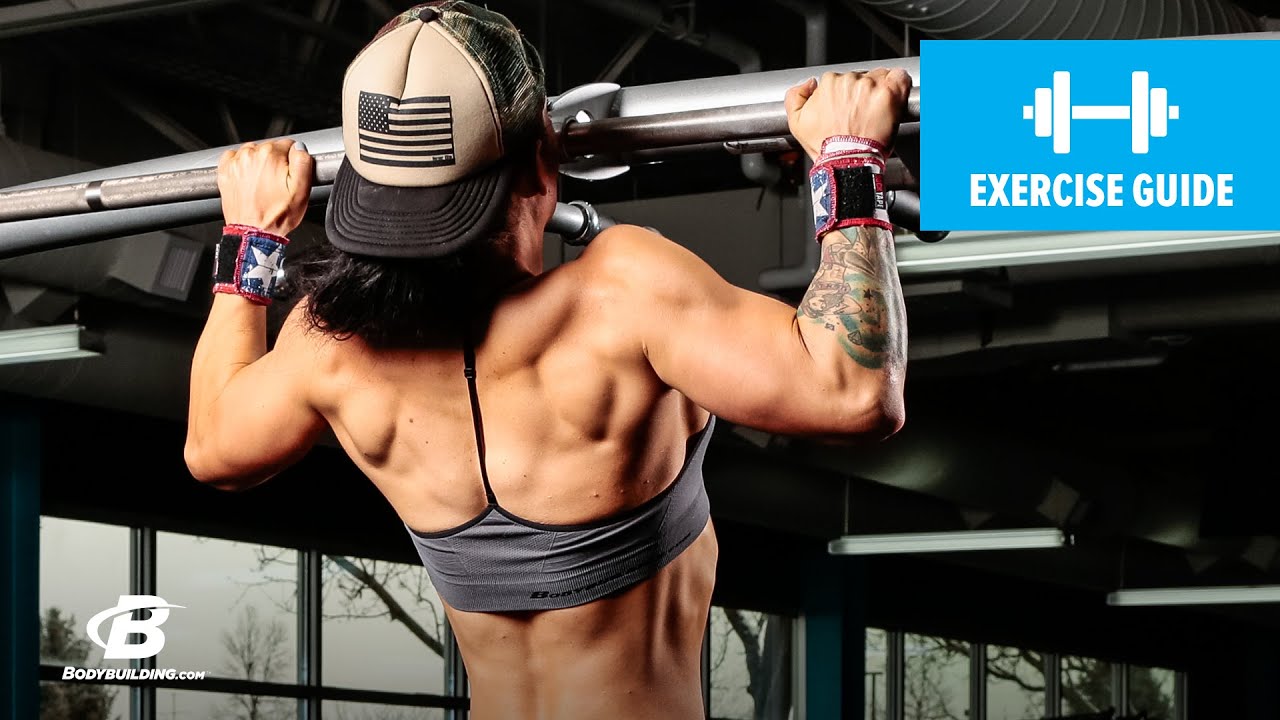
Use the video to check the movement path, then follow the written setup and cues below.
How to perform Negative Pull-up
- 1
Set up
Start at the top position of a pull-up with chin over the bar, using a box or jump to get there
- 2
Create a stable start
Take a secure grip and begin from a controlled hang with the shoulder blades gently active.
- 3
Perform the movement
Slowly lower yourself down with control, taking 3-5 seconds to reach full arm extension
- 4
Finish with control
Reach the strongest height you can without craning the neck, then return to a full controlled hang.
Common mistakes
- Kicking to create momentum
- Shrugging into a passive bottom position
- Reaching with the chin instead of lifting the torso
- Dropping through the eccentric
Coaching cues
- Long neck
- Elbows toward your pockets
- Keep the ribs down
- Own the lowering phase
Easier variations
- Scapular pull-up
- Machine-assisted pull-up
- Band-assisted pull-up
- Negative pull-up
Harder variations
- Strict pull-up
- Paused pull-up
- Chest-to-bar pull-up
- Weighted pull-up
Sets, reps and workout placement
Strength
Use 3-5 sets of controlled, challenging work and stop before technique changes.
Muscle and work capacity
Use 2-4 sets in a repeatable range, adding reps before adding load or difficulty.
Skill and control
Practice low-fatigue sets early in the session with full rest between attempts.
Place this movement after the general warm-up. Skill-heavy versions belong near the start of the workout; loaded strength work should come before high-fatigue accessory work.
Frequently asked questions
What muscles does Negative Pull-up work?
Negative Pull-up primarily uses Latissimus Dorsi, Trapezius. Secondary support comes from Biceps Brachii Long Head, Biceps Brachii Short Head, Deltoid Posterior Head, Brachioradialis.
How should I progress Negative Pull-up?
First meet the same range and body position on every repetition. Then add one repetition, a longer hold, less assistance, or a small amount of load rather than changing several variables at once.
When should I stop a set of Negative Pull-up?
Stop when the key positions can no longer be maintained. Sharp pain, numbness, or a sudden loss of control is a reason to stop and reassess rather than push through.
Related exercises
Selected by muscle overlap, movement pattern, mechanics, and difficulty.
- Assisted Pull-up
Beginner · Pull
- Band-Assisted Pull-up
Beginner · Pull
- Pull-up
Intermediate · Pull
- Butterfly Pull-up
Advanced · Pull
- Front Lever with Bands
Intermediate · Calisthenics
- Half Lay Front Lever
Expert · Calisthenics
- Weighted Front Lever
Expert · Calisthenics
- Neutral Grip Dumbbell Press
Beginner · Strength